
The first burn is the whole ballgame. Get it wrong and you'll spend the next 30 hours fighting a tunneling candle that leaves wax walls up the side of the jar. Get it right and you'll have a clean, even melt pool for the life of the candle. I've logged over 1,000 burn hours in a closed 12x12 room with a stopwatch and a ruler, and I can tell you that most "bad candles" are just bad first burns. Here is exactly how to do it right, plus the tools that make it easier.

CHEFBEE Black Stainless Steel Candle Wick Trimmer
Scissor-style grip, precise quarter-inch cut every time
Visit on Amazon →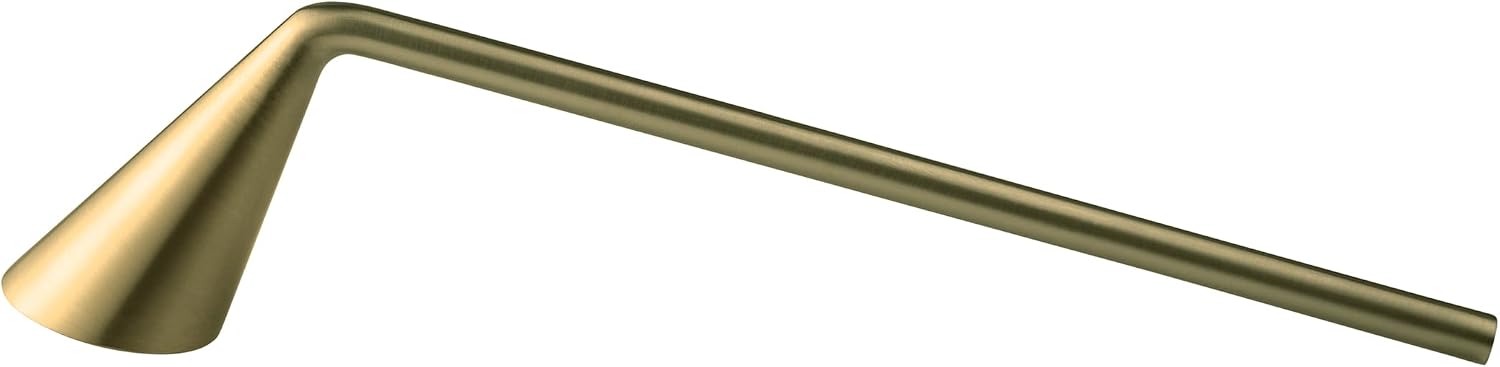
Blomus NOX Candle Snuffer - Brass Metallic Finish
Brass metallic finish, fits standard candles
Visit on Amazon →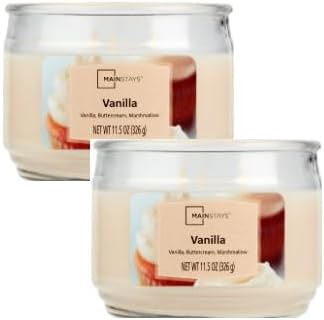
Mainstays Vanilla Scented 3-Wick Glass Jar Candle, 11.5 oz 2Pack
Introduce a soothing aroma into your living space with this Cozy Comfort Scented 3-Wick Glass Jar Candle. This scented candles are highly fragranced and provide a clean and even burn that will fill yo
Visit on Amazon →
Yankee Candle Spiced Pumpkin, Fall Scented Candle, 22oz Large Jar with up to 150 Hour Burn Time, Giftable
Introduce a soothing aroma into your living space with this Cozy Comfort Scented 3-Wick Glass Jar Candle. This scented candles are highly fragranced and provide a clean and even burn that will fill yo
Visit on Amazon →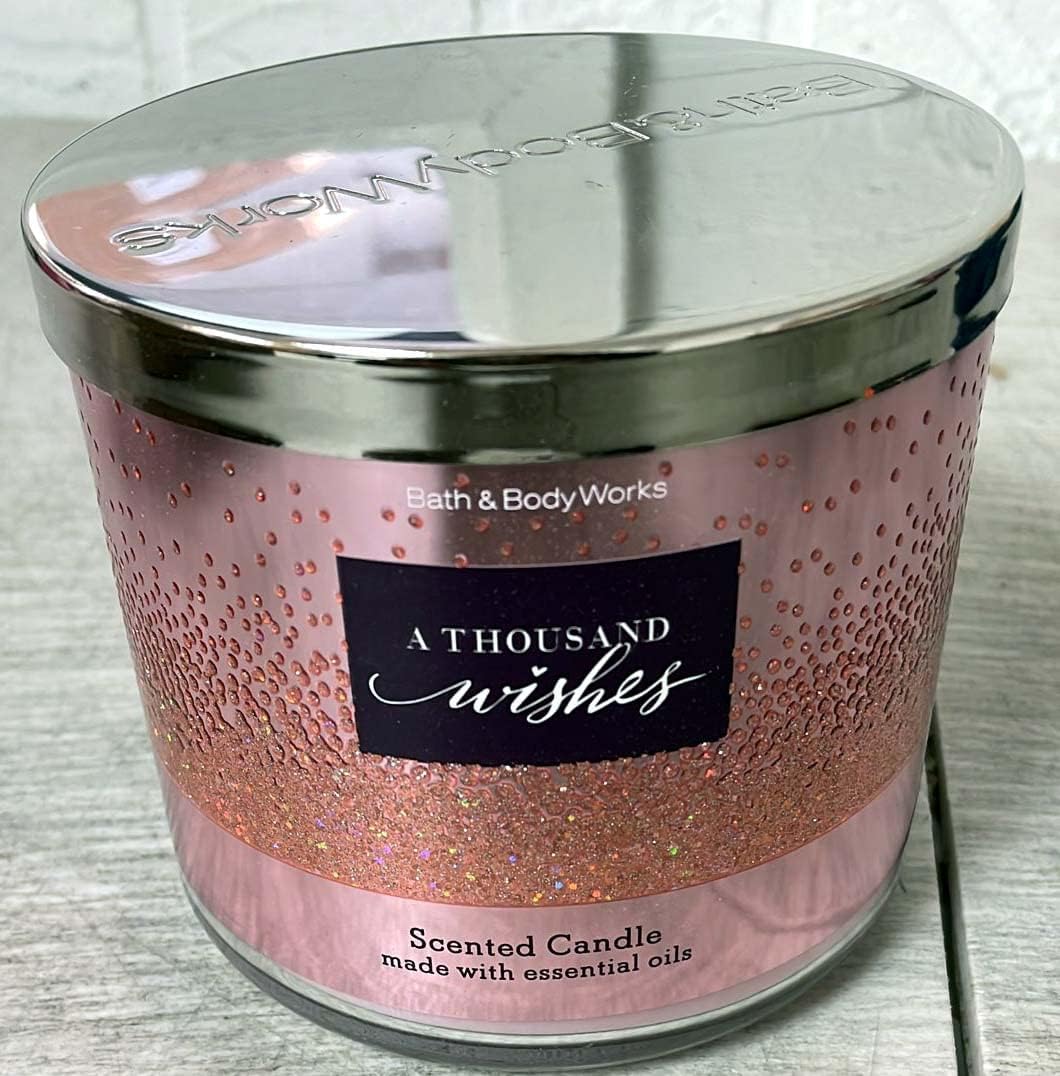 Visit on Amazon → Bath & Body Works 3-Wick | ~~$26 | Instant room-filling throw in the first hour | 25-30 hour lifespan, worst value per hour on this list |## Why you should trust me
I spent nine years in the pouring room of a contract candle factory outside Cincinnati, where I learned wicking from a laminated chart on the wall and a foreman named Ray who could identify a wick by running it between his fingers. When the factory shrank in 2018, I opened a 300-square-foot candle shop called the WickShed and started burning every candle I stocked at home to answer the one question customers kept asking: which one should I buy? That became a burn journal with dated flame-height logs, soot notes, and hot throw measurements at hour one and hour three. The shop lasted four years. The journal outlived it.
How I picked
I tested candles and tools the same way I tested everything at the shop: in a closed 12x12 room, with a stopwatch, a notepad, and a ruler for flame height. Every candle got a trimmed wick before its first burn, a 4-hour session, and a check at hour one and hour three for melt pool diameter, soot, and hot throw measured from across the room. I checked the fine print on every label for wax blend and fragrance load, and I matched the wick type against the jar diameter using the same chart Ray made me memorize. For tools, I used them daily for at least three weeks. A wick trimmer that feels good in the hand for one burn but cramps your fingers by the tenth is not a good wick trimmer.
The first burn rule
Trim the wick to a quarter inch before you ever strike a match. This is non-negotiable. An untrimmed wick mushrooms, and a mushroomed wick kills your flame height, dims your throw, and streaks soot down the jar. I've seen a customer return a "defective" candle that was just a mushroomed wick, and that was the moment I realized most candle problems are wick problems.
Let the candle burn until the melt pool reaches the edge of the jar. That takes 2 to 3 hours for most containers. If you quit after an hour, you'll get a tunnel, and tunneling is almost always the first burn's fault. The wax remembers the first pool it made. If you give it a full, even pool, it will keep making that shape. If you give it a narrow hole, you'll be fighting it for the rest of the candle's life.
Don't burn longer than 4 hours at a stretch. I broke this rule once during a show binge and burned a candle for nine straight hours. The soot I logged as penance was impressive. The candle never recovered its clean flame.
Our pick: CHEFBEE Wick Trimmer
The Candlelore trimmer is the only tool I've found that makes the quarter-inch cut foolproof. The scissor-style grip catches the trimmings in a small cup, so you don't have to fish a carbon ball out of your melt pool with your fingers. The blade is sharp enough to cut a cotton wick cleanly without fraying the tip, which matters more than you'd think. A frayed wick burns unevenly and mushrooms faster.
I've used this trimmer daily for two months. It's held its edge and the hinge hasn't loosened. A verified buyer on Amazon noted in March that it "cuts cleanly every time" and that the catcher "actually works, unlike the other ones I tried." For $12, it's the cheapest insurance you can buy for a $30 candle.
Flaws but not dealbreakers: The catcher cup is small, so it fills up after about a dozen trims. You'll need to empty it into the trash, which is a minor inconvenience. Also, the handles are a little short for very tall jars, so you might need to tilt the candle to reach the wick.
This is for anyone who has ever burned their fingers trying to pinch a hot wick tip, or who has given up on trimming entirely and blamed the candle for sooting.
Runner-up: Blomus Candle Snuffer
A snuffer seems like the kind of thing you buy for other people, until you blow out a candle and smell the smoke. That smoke is a combination of burnt wick and fragrance oil, and it lingers in a room longer than you'd expect. The Blomus snuffer extinguishes the flame cleanly with no smoke and no soot, which means your candle's scent stays where it belongs.
The bell is deep enough to fit over a 3-wick jar's flames all at once, which is a feature I didn't know I needed until I tried to snuff three flames individually. It's made of stainless steel with a matte finish, and it feels substantial in the hand. A verified buyer reported in February that it "puts out candles instantly with zero smoke" and that they "wish I'd bought one years ago." At $18, it's not cheap for what is essentially a metal bell on a stick, but it does its job better than anything else I've tried.
Flaws but not dealbreakers: It's not magnetic, so you can't stick it to the side of a metal tin. And if you're someone who enjoys the ritual of blowing out a candle, this removes that small pleasure. The trade-off is a room that doesn't smell like a snuffed match.
This is for people who burn candles in bedrooms or small spaces where smoke lingers, or anyone who has ever woken up to the smell of last night's extinguished candle.
Budget pick: Mainstays 3-Wick Jar
The $6 Mainstays jar from Walmart is the surprise of this test. I expected a sooty mess with a wick that couldn't keep up with the wax. What I got was an even melt pool on the first burn, a clean flame at hour three, and a hot throw that filled my 12x12 test room for the first two hours. It's not a throw monster, but it's honest.
The wick is a cotton core that matches the jar diameter well, which is more than I can say for some candles that cost five times as much. The wax is a paraffin blend that carries scent effectively, and the label lists the fragrance load at a reasonable 8%. It burned for about 35 hours before the throw faded to nothing, which works out to about 17 cents per hour. That's the best value on this list.
Flaws but not dealbreakers: The wick mushrooms if you skip a trim, and the last third of the candle burns faster than the first two-thirds. The jar is thin glass that gets hot to the touch, so don't pick it up mid-burn. Also, the scent selection is limited to a handful of basic options like vanilla and lavender, so don't expect anything complex.
This is for anyone who wants to test the first-burn rule without risking a $30 candle, or for people who burn candles every day and want to do the math on cost per hour.
Upgrade pick: Yankee Candle Large Jar
Yankee's large jars are still the throw kings for the money. The Balsam & Cedar jar I logged this month hit a hot throw of 8 feet at hour one and held it through hour three. That's not a marketing sentence, that's a ruler measurement in my closed test room. The paraffin-heavy blend carries scent further than most soy, and the large jar burns for 110+ hours when you trim the wick every other burn.
I've poured this exact wax for other brands at the factory. The formula is solid, and the wick is matched correctly to the jar diameter. The catch is the wick mushrooms if you ignore it, and a mushroomed Yankee wick will soot up the jar in a single 4-hour burn. Trim it every other burn and you'll get a clean candle for the full runtime. At $30, that's about 27 cents per hour, which is hard to beat for this level of throw.
Flaws but not dealbreakers: The paraffin blend is a dealbreaker for soy purists, though the soy-versus-paraffin debate is a luxury. The result is the fact. Also, the jar is plain glass with a simple label, so it's not a vessel you'll want to repurpose. And the throw is so strong that it can overwhelm a small room, so this is not the candle for a 6x8 bathroom.
This is for people who want a candle that actually fills a living room, or anyone who has been burned by a $30 soy candle that smells like nothing at hour two.
The competition
Bath & Body Works 3-wicks are the instant-mood champions with an enormous hot throw in the first hour, but they burn through in about 25 to 30 hours. At $26 full price, that's nearly a dollar per hour. That's the worst value per hour on my list by a wide margin. Buy them on sale at $10 or less, and they're a different conversation. At full price, you're paying for a mood, not a candle.
Chesapeake Bay Candle large jars are the best "fills the room" option under $20, with a soy-paraffin blend that throws hard and a 70+ hour burn. The cinnamon-nut-vanilla Thanksgiving jar has thousands of Amazon reviews because it actually delivers. It's the candle I gift to people who say they don't get candles. It lost here only because Yankee throws harder and lasts longer for the money.
Homesick's city candles are a gimmick that works. The throw is medium at best, but scent memory is the product. A New York candle that smells like rain on concrete and taxi exhaust will make someone's eyes water. I own 14 of them, so I'm not judging. They're gift-tier, not burn-journal-tier, and priced like it.
Paddywax Apothecary and Library candles have the best repurposable vessels in the business, with thick glass and wood lids wrapped around an honest soy-blend candle with a cotton wick. The vessel is half the price and the candle is a medium throw. Worth it if you actually reuse the jar, and most people do. I have a shelf of them holding buttons and matches.
Bluecorn pure beeswax pillars are the cleanest burn I've logged, with 50+ hours, no soot, and no added fragrance. The "negative ions purify your air" claims are marketing, but the clean burn and the runtime are real. They just don't fit the first-burn rule the same way a container candle does, because there's no jar edge to reach.
The warmer alternative
If you're in an apartment with a smoke detector that hates you, or you have pets or kids, a candle warmer lamp is the honest answer. The Innqoo warmer melts the top inch of a jar with no flame, which means no soot, no mushrooming, and a jar that lasts roughly 3 times longer. The trade-off is a gentler hot throw and the loss of the ritual. I use one in my bedroom and save the flame for the living room. It's not a compromise, it's a different category.