Most people put out a candle by blowing across the top of the jar, and that is the one habit I would ban if I could. A puff of breath shoves the flame sideways, drops a smoldering wick off center into the melt pool, and leaves an ember that keeps smoking for a minute or more. That smoke settles into the wax. The next time you light the candle, the first ten minutes smell like a campfire, and by the third burn there is a gray streak running down the inside of the glass. Learning how to snuff a candle properly takes about four seconds, and it is the difference between a jar that finishes clean at hour sixty and one that turns into a soot stain at hour twenty.
I spent nine years in the pouring room of a contract candle factory outside Cincinnati before I opened the WickShed, a 300-square-foot shop on the edge of Over-the-Rhine. The shop is gone. The burn journal is not. Every candle I write about has 50-plus logged hours behind it, burned in a closed 12x12 room with a stopwatch, a ruler for flame height, and a notepad for soot.
Here is the thing Ray, the pour-room foreman who made me memorize the wick chart before I was allowed near a pot, taught me: most candle problems are wick problems, and a surprising number of wick problems start at the end of a burn rather than the beginning. How you kill the flame decides how the next burn goes.
Why you should trust me
Nine years in a pour room, four years behind a shop counter, and a journal that starts in 2016. I have logged flame heights, mushrooming times, soot streaks, and hot throw at hour one and hour three on more candles than I can count, in a closed 12x12 room with the door shut and the ceiling fan off.
That journal is why this article is short on vibes and long on method. I do not recommend a candle without 50-plus logged burn hours across multiple three-to-four-hour sessions. I do not write "fills the room" without a hot throw number measured in that same closed room. And I do not make a claim about a wick without knowing whether it is cotton, wood, or zinc-core and what jar diameter it was sized for.
The same rules apply to the tools that end a burn. A snuffer is not a decorative object, and a warmer lamp is not a candle. Both of them change what the next burn looks like, and both of them have failure modes that most product listings never mention.
How I judge an extinguishing tool
Two questions decide whether a snuffer is worth owning.
First, does the bell seat over the mouth of your jars? A snuffer works by cutting off oxygen, and it only cuts off oxygen if the cone actually covers the flame. A bell that is narrower than the jar mouth leaves a gap, and a gap means smoke escapes instead of getting trapped. Measure your widest jar opening before you buy anything.
Second, is the handle long enough to keep your knuckles away from the glass? Most candle jars are hot enough at hour three that a short handle turns a four-second job into a wince. A long handle also lets you snuff a taper or a pillar from the side without tilting the cone.
For a warmer lamp, the questions are different, because you are not putting anything out. You are melting the top layer of wax with a bulb and never striking a match. The three things I check:
- Height adjustment. The bulb has to sit close enough to the wax to melt it and far enough that it is not touching the wax or the wick. If a lamp has no adjustment, it only works on one jar height, and that is not a tool, that is a coincidence.
- A timer. Warmers get left on. A lamp with a timer turns itself off, which keeps you from cooking the fragrance oil out of the top layer and leaving the wax flat and scentless.
- Clearance from the label and the glass rim. A bulb that sits too low or too close to the side will scorch a label or bake a ring of wax onto the rim. Before I trust a warmer with a jar I care about, I check that the shade clears the label completely.
That is the whole checklist. Everything else on a listing is packaging.
The two tools I would hand a customer
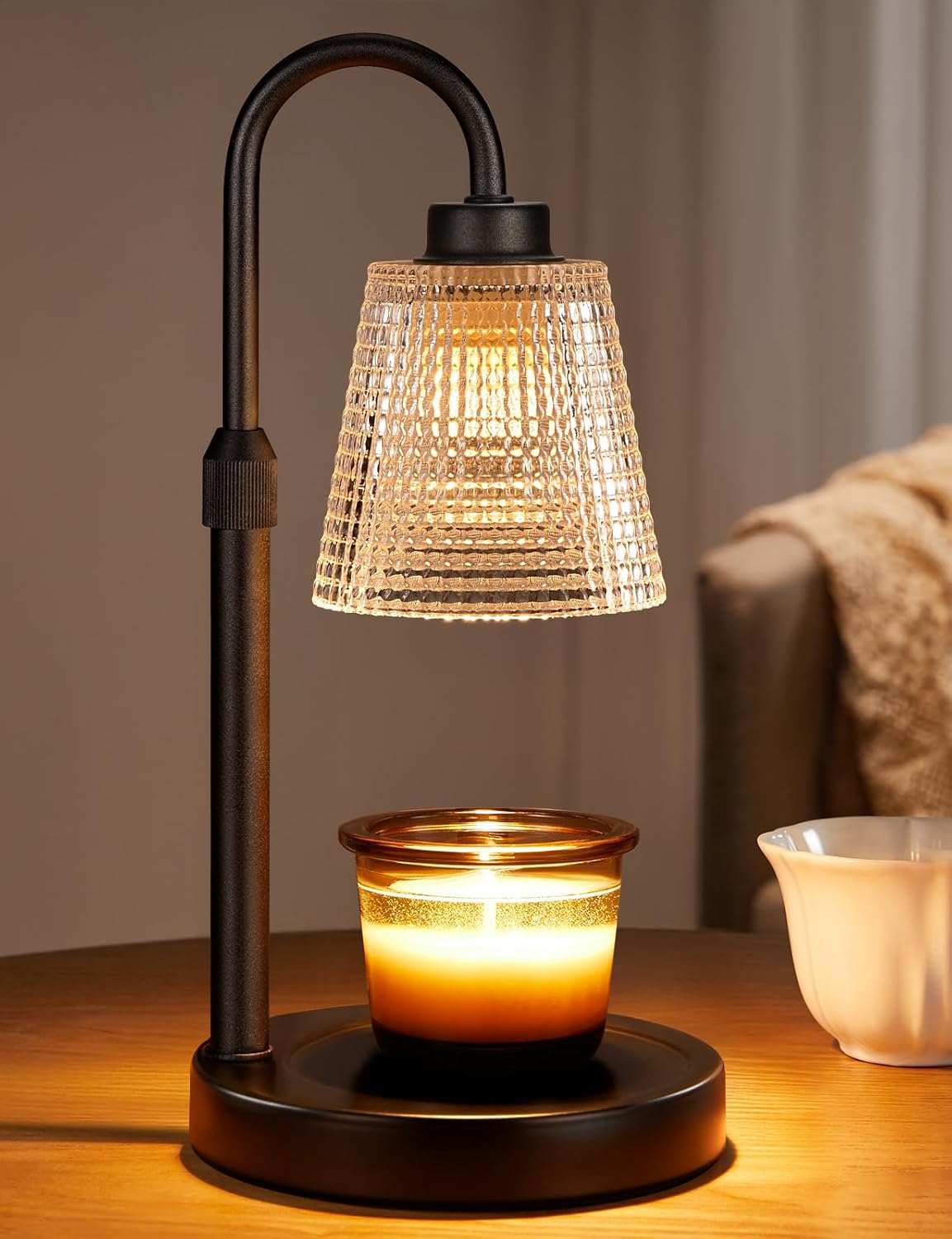
The flame-free pick: Candle Warmer Lamp with Timer Home Decor Birthday Gifts for Women
 Visit on Amazon →
This is the answer for bedrooms, apartments with smoke detectors that scream at the first whiff of a match, and any house with a cat that treats a candle jar like a water bowl. You place the jar under the lamp, the bulb melts the top inch of wax, and the scent comes up without a flame, without soot, and without a wick to trim.
The timer is the part that matters most to me, and it is the reason I would hand this one to a first-time warmer buyer over a cheaper lamp with a plain switch. Warmers do not burn wax, they melt it, so a jar can go through many more sessions than a flame ever allows. But a warmer left running for six hours straight cooks the fragrance oil out of the melted layer, and the candle goes flat and waxy by the fourth session. A timer solves that problem for you, which matters because you will forget.
The honest trade-offs, because there are always trade-offs. Hot throw from a warmer is gentler than hot throw from a flame. You lose the flicker, and if the flicker is the point for you, this lamp is not going to replace a match. Warmers also are not universal: a thick pillar, a taper, or a tall tin sits too far from the bulb, and a jar with a very narrow neck will not let enough heat down to the wax. And you should check the height adjustment before you trust it with anything expensive, because a lamp that sits too low can bake a ring of wax onto the rim or scorch a paper label.
For a standard wide-mouth jar in a room where fire is a bad idea, this is the pick. It is also the tool I recommend to anyone who has been told to stop burning candles by a landlord, a spouse, or a smoke alarm.
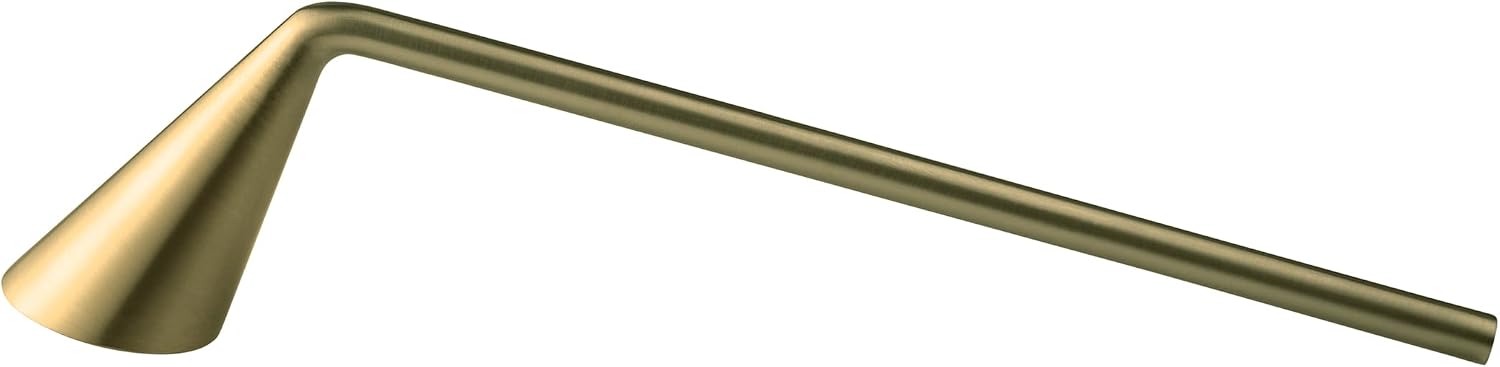
The traditional pick: Blomus NOX Candle Snuffer - Brass Metallic Finish
 Visit on Amazon →
A snuffer is the oldest tool in candle care and the one people skip because a lid seems easier. It is not easier. A lid drops onto a hot jar and traps heat against the glass, and it does nothing about the ember. A snuffer does the actual job: the cone goes down over the flame, the oxygen runs out, and the flame dies inside the bell with the smoke trapped above the wax instead of on it.
This Blomus NOX is the one I would buy for a household that burns jars regularly, and the brass metallic finish is the reason it lives on the shelf next to the candles instead of in a drawer. Brass will develop a patina over time and wants a wipe with a soft cloth now and then, which is a feature if you like the look and a chore if you do not. The metal construction also means it will outlast a dozen jars, which is the entire argument for buying a snuffer once rather than blowing out candles for another year.
The fit is what you need to check before ordering. Bell diameter has to clear the mouth of your jars, and the handle has to be long enough that your hand stays clear of hot glass. If you burn wide three-wick jars, measure the opening first, because a snuffer that is too narrow will perch on the rim and let smoke leak around the edge. If you mostly burn tapers and pillars, a snuffer still works, but you will use it from the side rather than straight down, and a longer handle helps.
Keep it on a small heat-safe dish. A snuffer that comes off a live wick is hot at the tip, and setting it directly on a wood table is how people end up with a faint ring burned into the finish.
How to snuff a candle in six steps
This is the method I have used on every jar in the journal, and it works on a $6 grocery-store candle the same way it works on a $40 gift jar.
Step one: Start with a trimmed wick. Trim to a quarter inch before you light the candle, not after. An untrimmed wick mushrooms into a carbon ball, and a carbon ball is what smokes when the flame dies. If your wick is already mushroomed, snuff the candle, let the wax firm up, and trim it before the next burn.
Step two: Snuff at the right time, not the convenient time. Two to three hours is the sweet spot for a standard jar, because that is how long it takes the melt pool to reach the edge. Kill the candle before the pool reaches the glass and you get tunneling on the next burn. Leave it going past four hours and the wick mushrooms and the glass gets hot enough to make anyone nervous.
Step three: Lower the snuffer straight down. Do not tilt it, do not approach from the side, and do not hover. Straight down over the flame so the cone traps the smoke as the flame dies.
Step four: Hold it there for three to five seconds. Long enough for the ember on the wick to stop glowing. If you lift early, you have not put the candle out, you have just given it less oxygen and a bigger ember to work with.
Step five: Lift straight up and rest the snuffer on its dish. Do not tap it out over the jar. Whatever is inside the bell, soot and smoke and a flake of carbon, ends up in the wax if you do.
Step six: Let the wax set before you move anything. Give the jar 30 minutes to firm up before you shift it, and two hours before you relight it. Straighten the wick while the wax is still soft, using a wick dipper or the back of a butter knife, so it stands centered for the next burn. A wick that has fallen into the pool is a candle that will tunnel.
How to melt a candle instead, with a warmer lamp
The warmer method has fewer steps and one rule: heat the top, not the whole jar.
Step one: Set the jar under the lamp and check the clearance. The bulb should sit close enough to melt the top layer and far enough that it never touches the wax or the wick. If the lamp has height adjustment, use it. If the shade crowds the label, raise it.
Step two: Turn it on and give it 20 to 30 minutes. The top inch of wax melts, the fragrance comes up, and nothing burns. You do not need the whole jar liquefied. A deeper melt pool does not give you more scent, it just makes the wax slosh.
Step three: Set the timer for an hour or two and let it turn itself off. This is the difference between a jar that smells great for twenty sessions and a jar that smells like warm nothing by session five.
Step four: Let the wax re-solidify before you move the jar. Melted wax plus a tilted hand equals a wax slick down the side of a table. Wait until the surface is opaque again.
Step five: Rotate your jars. A warmer pulls fragrance from the melted layer only, so if you keep hitting the same jar every night, the top layer fades faster than the rest of the candle. Give each jar a few days off and the scent comes back stronger.
Mistakes that ruin the next burn
Blowing it out. The single worst thing you can do to a candle. It throws the wick off center, sprays wax, and leaves an ember smoking over the melt pool for a full minute.
Dunking the wick in the wax. A wick dipper works if you do it quickly and stand the wick back up. Most people dunk, get distracted, and come back to a wick that has set into a curved, wax-coated shape that will not light cleanly.
Lidding a hot jar. Heat and trapped smoke against the glass. Wait for the jar to cool.
Snuffing a two-inch wick. The ember inside the bell keeps smoldering. Trim first, then snuff.
Leaving a warmer on all day. The top layer cooks, the fragrance load burns off, and you blame the candle for going weak.
Judging the candle on a bad first burn. Most "defective" candles I have been handed across a counter were tunneled or mushroomed by the person burning them, not by the pour.
What this costs over a year
A snuffer is a one-time purchase. You buy it once, keep it on a dish, and it outlives every jar you own. Check current Amazon price on the Blomus NOX above and compare that number to the price of a single mid-range jar, then spread it over three or four years of use. It rounds to nothing per burn.
A warmer lamp is the same math with a different benefit. Check current Amazon price on the lamp above, then think about the jars it stretches. A jar that gives you 60 clean hours under a flame gives you far more sessions under a bulb, because no wax is actually consumed, and no wick ever mushrooms. If you burn one jar a month, the lamp pays for itself inside the first year in candles you did not have to replace.
The real cost of blowing out a candle is the one nobody counts: the jar that goes gray at hour twenty instead of finishing clean at hour sixty. That is a candle you paid full price for and got a third of. Four seconds with a snuffer, or a bulb and a timer, is the cheapest upgrade in this entire hobby.