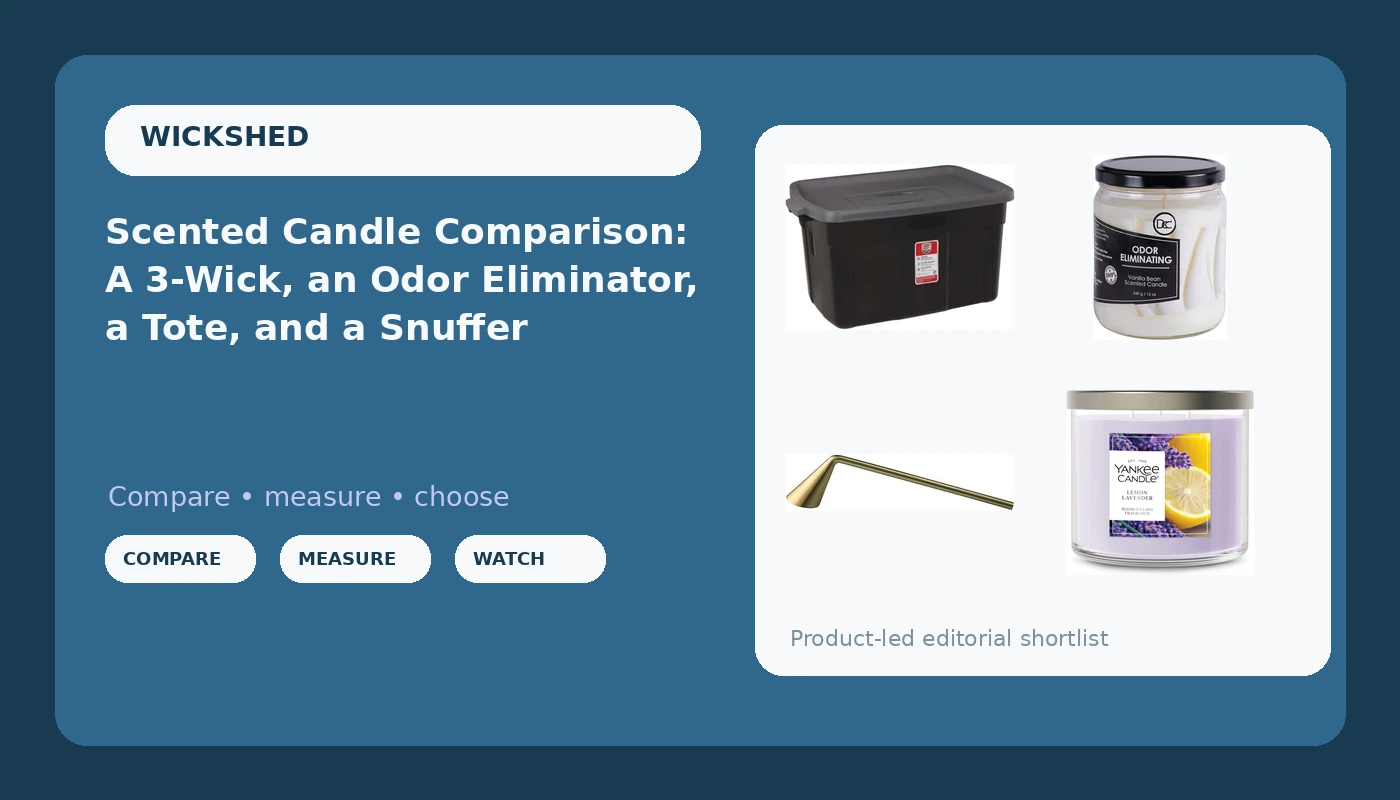
I spent nine years in a pouring room before I ever sold a candle over a counter, and in four years of retail the question I heard most was never about wax chemistry. It was "which one should I buy?" This scented candle comparison is my attempt to answer that with criteria instead of adjectives, using four items that keep ending up in the same cart: a Yankee Candle Lemon Lavender 3-wick, a 12-ounce vanilla bean odor eliminator, a brass candle snuffer from Blomus, and a tote.
A candle is a wax, a wick, and a fragrance load that have to agree with each other, and the label is the last thing I read. Get the wick wrong for the jar diameter and you get tunneling by the second burn, no matter how nice the wax sounds on the front of the jar. Get the fragrance load too high and the candle soots the glass and smells like a cleaning product by hour three. Three of the four items below are candles or candle tools. The fourth is a tote, and I will explain why it is in the lineup instead of pretending it belongs with the jars.
The pick for most people here is the 12-ounce vanilla bean odor eliminator, because a claimed 80 hours of burn time on a soy blend is the best hours-per-dollar math in the group. If you want a candle that announces itself in the first half hour, the Yankee 3-wick is the one. If you want the tool that makes every jar behave better, it is the snuffer.
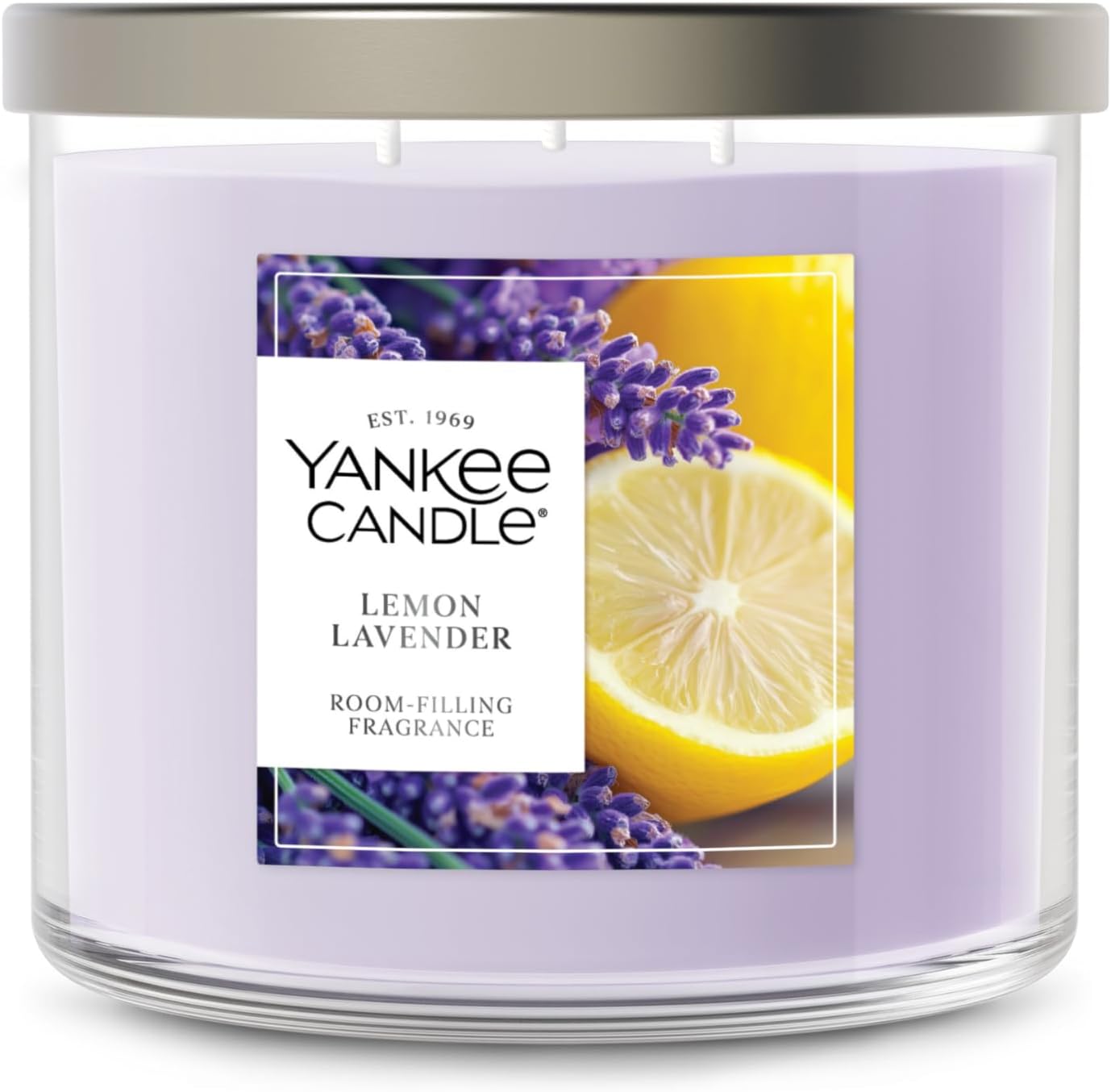
Yankee Candle Lemon Lavender Scented Candle, 14.5oz 3-Wick
Three wicks pull a full melt pool fast, so the scent arrives in the first half hour
Three flames burn through a 14.5-ounce jar quicker than one wick would
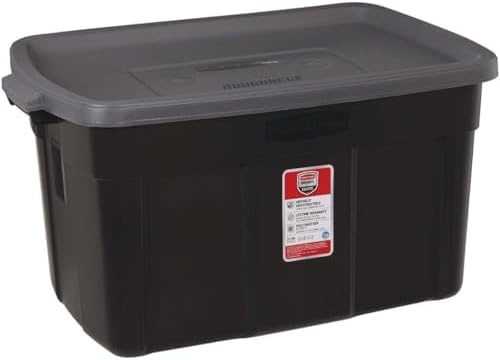
Tote
Turns a jar into a gift you do not have to wrap
It is not a candle, and the listing says almost nothing else
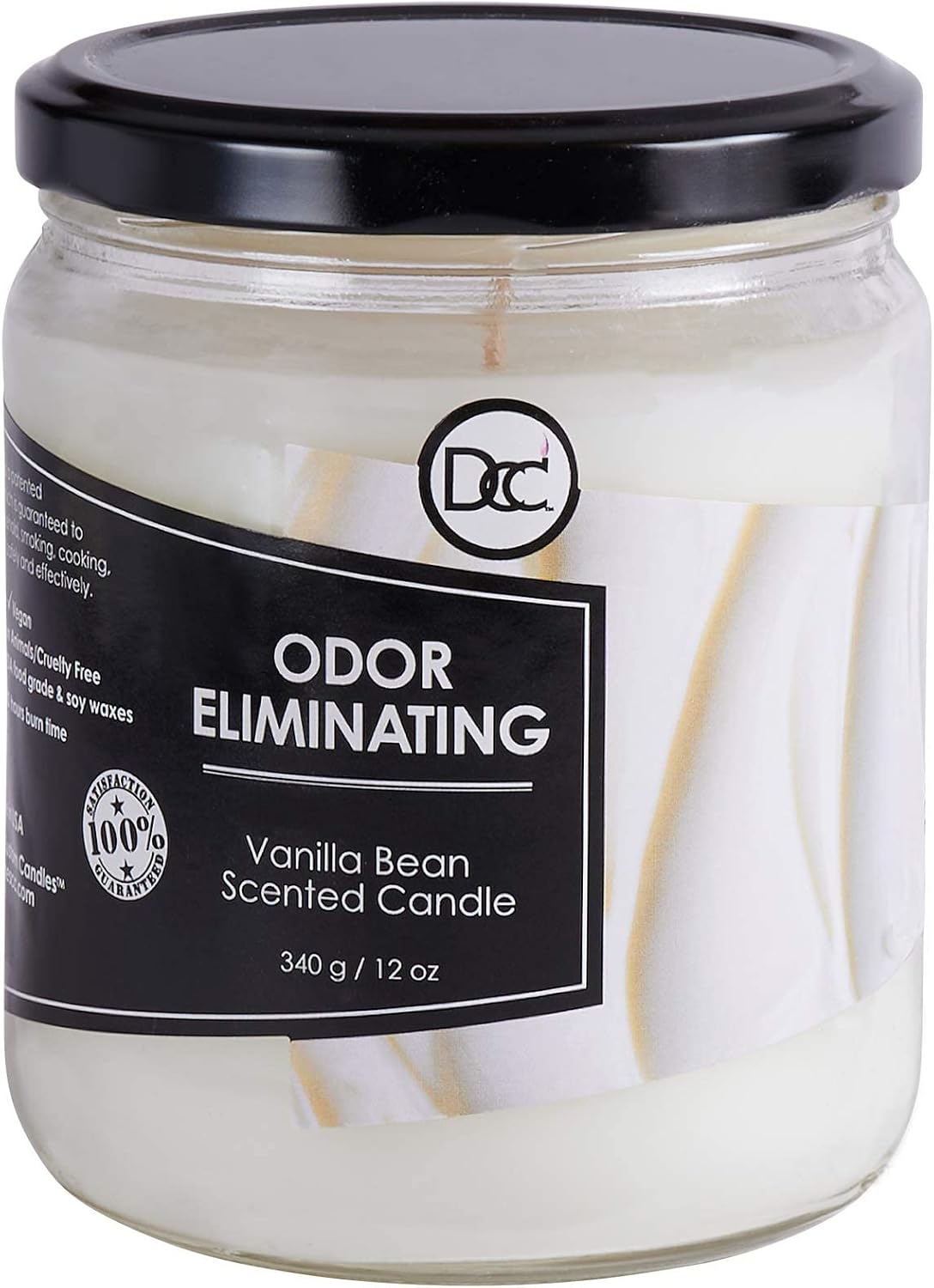
Vanilla Bean Odor Eliminating Highly Fragranced Candle - Up to 80 Hour Burn time - 12 Ounce Premium Soy Blend
Up to 80 claimed burn hours on a soy blend, the best hours-per-dollar math here
The 95% odor claim and the blend are label promises, not facts measured in your living room
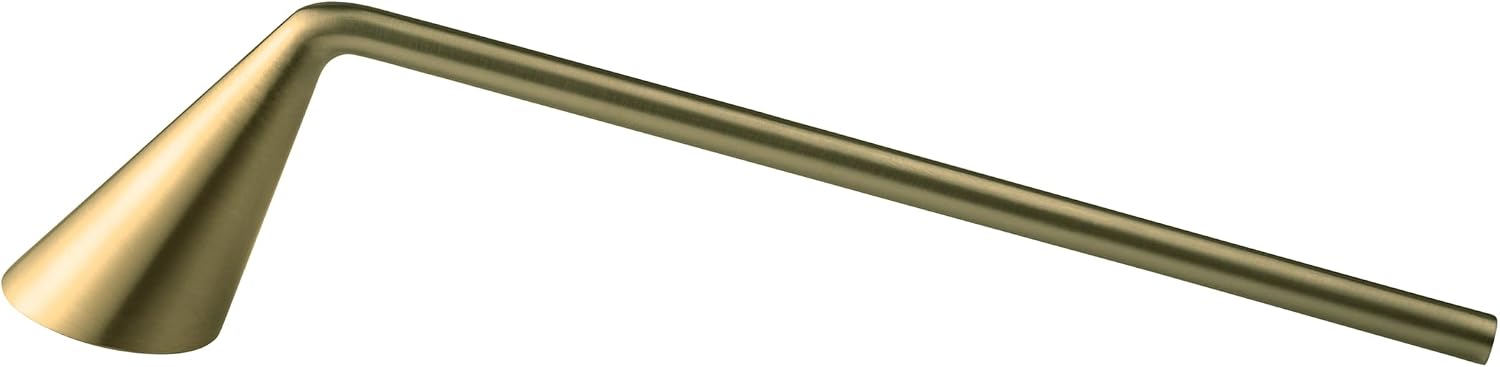
Blomus NOX Candle Snuffer - Brass Metallic Finish
Ends a burn with no smoke plume and no wick damage
It does nothing for throw, because it is a care tool
Prices and availability were captured from Amazon Creators API and may change.
How I judge a candle, and a candle tool
Everything worth recommending has to survive the same routine. Trim the wick to a quarter inch, light it in a closed 12x12 room, and start a stopwatch. The melt pool should reach the edge of the glass within two to three hours on the first burn. If it does not, the wick is wrong for the jar and the candle will tunnel for the rest of its life. Hot throw gets checked at hour one and again at the halfway mark, because a candle that opens loud and fades by hour ten is a different product than one that builds. Soot streaks and mushrooming get logged by hour four. The final number is always the same: burn hours divided by what you paid.
For tools, the test is simpler. Does it change how the candle behaves, or does it just look good on a shelf? A snuffer has to end a flame without smoke, without dropping ash into the melt pool, and without dragging the wick off center. If it does all three, it stays.
The Yankee Candle Lemon Lavender 3-wick: instant room, shorter life
Yankee's large jars earned their reputation on throw, and the three-wick format is the fastest route to that reputation in a 14.5-ounce jar. Three flames melt the top layer of wax quickly, which means the melt pool reaches the glass early and the scent starts working in the first half hour rather than the second. Lemon lavender reads exactly like the name suggests: citrus on top, a soft herbal note underneath, clean rather than sweet. It is a kitchen and hallway scent, not a bedroom one.
The trade-off is the one every 3-wick carries. Three flames eat wax faster than one, so a 14.5-ounce jar that would run a long time on a single wick will not last as long here. Burn it in four-hour sessions and trim before every light and you get a bright, consistent candle. Let the wicks mushroom and you get soot streaks down the glass and a flame that dances. This is also the jar in the group where the first burn matters most: three wicks, one pool, and a melt pool that has to reach the edge on that first session or it never will.
The vanilla bean odor eliminator: the hours-per-dollar winner
The name on this one is a paragraph, so here is the short version: a 12-ounce soy blend jar, a vanilla bean scent, and two claims worth separating from facts. The label says it eliminates 95% of pet, smoke, and food smells and burns up to 80 hours. Those are the manufacturer's numbers, and I treat every "up to" as a ceiling you reach only with a trimmed wick and four-hour sessions. What I can tell you is that the math is the best in this group. An 80-hour claim on a 12-ounce jar beats what a 3-wick will give you, and it beats it by a wide margin.
Vanilla bean is the right scent for an odor-eliminating candle, because vanilla sits underneath other smells instead of arguing with them. A pet odor or last night's fish does not vanish so much as get covered by a warm, slightly sweet layer. That is the honest way to read the word eliminating on a label. Read the fine print on the blend too. Soy is not automatically clean, and a heavily fragranced soy jar can soot just like anything else. The single wick in a 12-ounce jar is also why the first burn needs patience: give it two to three hours, let the pool reach the edge, and the rest of the jar behaves.
The Blomus NOX snuffer: the tool that fixes the last five minutes
Blowing out a candle is the most common way to ruin one. You push smoke into the room you just spent an hour scenting, you can knock the wick off center, and you risk dropping ash into the melt pool. A snuffer does the opposite: it caps the flame, starves it of oxygen, and leaves the wick where it was. The Blomus NOX in a brass metallic finish is the version I would hand to someone who owns one nice jar and wants it to last. It sits on the shelf as an object rather than hiding in a drawer, which matters, because a tool you can see is a tool you use.
Two practical notes. Brass shows fingerprints and patinas over time, so wipe it with a dry cloth rather than polishing it weekly; a little age looks better than a lot of shine. And a snuffer is not a substitute for trimming. It ends the burn cleanly, but you still cut the wick to a quarter inch before the next light. What it will not do is change throw. If a candle is weak, no accessory on the market rescues it.
The Tote: the non-candle in the lineup
I am including this one because it keeps appearing in the same searches as the jars, and because honesty is cheaper than pretending. The listing calls it a Tote. That is the whole name. There is no wax blend to read, no wick to check against a jar diameter, and no burn time to divide into a price, so it cannot be ranked against a candle on throw or hours. What it can do is turn a jar into a gift without wrapping paper, carry two jars without them knocking together in a car, and hold a candle plus a snuffer plus a lighter in one place.
If you are shopping for scent, skip it. If you are shopping for the person who already has the scent, it is the least expensive way to make a candle look intentional.
The trade-offs, stated plainly
Every one of these has a hole in it, and the holes are what should decide the purchase. The Yankee 3-wick wins on arrival speed and loses on total hours, because three wicks burn hot and fast. The vanilla bean odor eliminator wins on hours per dollar and loses on drama; a single wick in a 12-ounce jar is not going to fill an open-plan house the way a 3-wick does in a closed room. The snuffer wins on candle care and loses on everything else, because it does not smell like anything. The tote wins on presentation and loses on function, because it is not a candle.
There is a second layer to the trade-offs, and it is about wicks rather than scents. A 3-wick candle demands more of you: three wicks to trim, three flames to watch, and a faster burn that punishes neglect. A single-wick 12-ounce jar is more forgiving. If you trim a wick every time you light, the 3-wick is worth it. If you light a candle and walk away for five hours, buy the single wick and the snuffer, and put the snuffer to work at hour four.
Price per burn hour, the only honest comparison
Here is the arithmetic I use for every jar that comes through the house. Take the burn hours on the label, treat "up to" as a best case, and divide by what you actually pay. A 12-ounce jar with an 80-hour claim is doing more work per dollar than a 14.5-ounce 3-wick that burns through in a fraction of that time, even before you factor in how much faster three flames consume wax. Then add the cost of your habits. If you never trim the wick, subtract hours from every candle on this list, because mushrooming kills flame height, and flame height is what drives throw.
That is also why a snuffer belongs in a comparison about candles. The cheapest jar in a lineup can beat the most expensive one if the expensive one gets blown out and left with a crooked, sooty wick every night. Tools are part of the price per burn hour, whether or not the label mentions them.
What I would tell you at the counter
Buy the vanilla bean odor eliminator if you want the most hours for the money and a scent that quietly covers cooking and pets. Buy the Yankee Lemon Lavender 3-wick if you want a bright room fast and you will actually trim three wicks. Buy the Blomus NOX snuffer if you own any candle you like, because it protects the wick and keeps the smoke out of the room. And buy the tote only if the candle is a gift.
None of these needs to be a set. One jar, one trim, one clean snuff at hour four, and you will get more out of a single candle than most people get out of a shelf full of them.