The first time a customer told me a candle "had no throw," I walked over, lit it, and smelled perfume across the counter before I got back to the register. The candle was fine. The customer was standing in the wrong spot. That was the day I stopped trusting the word "throw" and started measuring it.
Here is the short version: cold throw is how a candle smells in the jar. Hot throw is how it smells when burning. They are not the same candle, and one of them is lying to you. I have burned over 400 candles in a closed 12x12 room with a stopwatch, a ruler, and a notepad. This is how I separate the two, and why the hot throw is the only number that matters.

Yankee Candle Spiced Pumpkin, 22oz Large Jar with up to 150 Hour Burn Time
110+ hour burn, consistent hot throw from hour one
Wick mushrooms every other burn; paraffin-heavy blend

Paddywax Artisan Apothecary Candle
54-hour burn, reusable glass jar
Medium throw at best; you pay for the jar
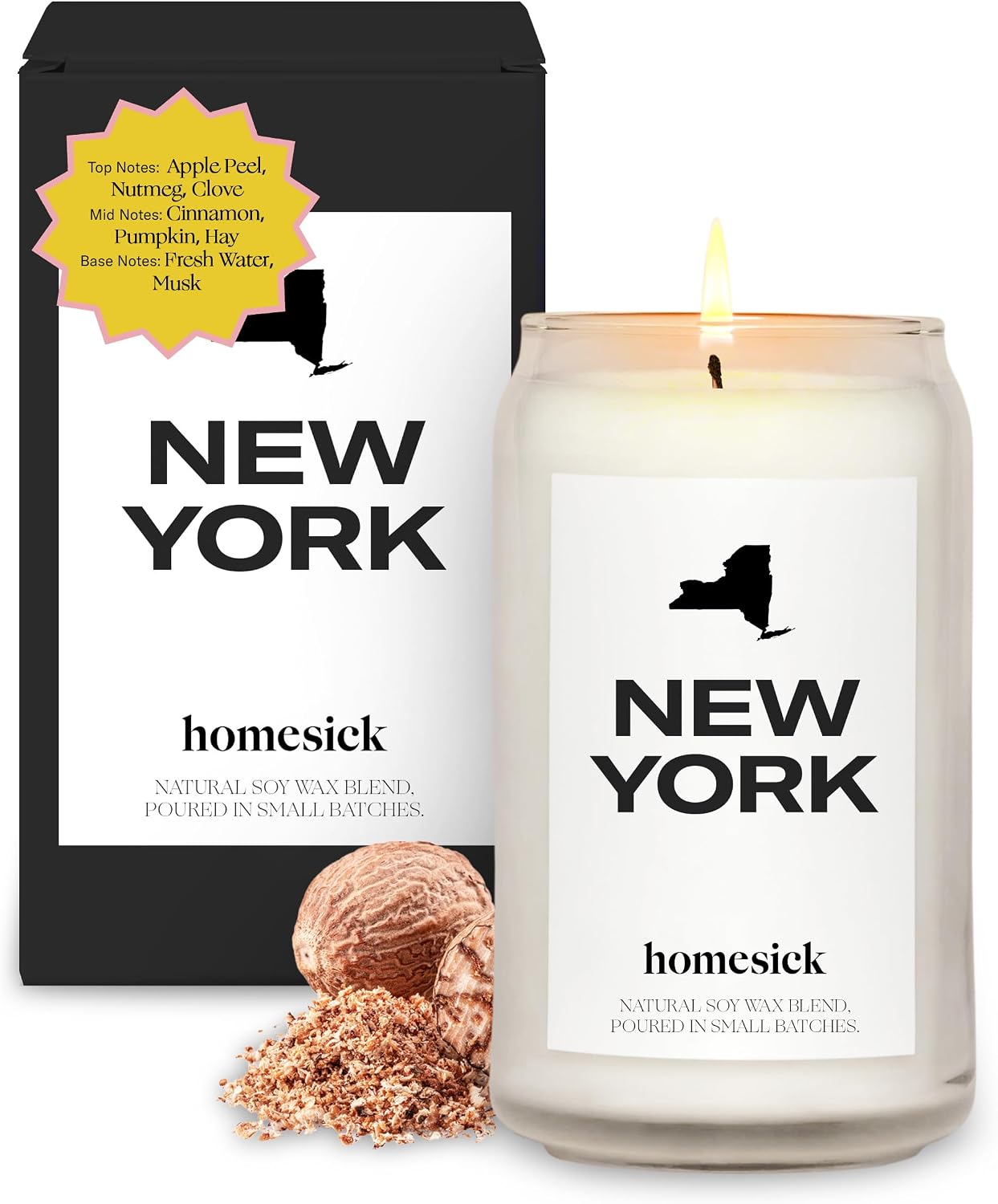
Homesick Scented Candles for Home (New York) - 13.75 oz Long-Lasting Soy Wax...
Scent memory is the product; emotional hit is real
Medium throw, gimmick pricing
Prices and availability were captured from Amazon Creators API and may change.
Nine years in the pouring room of a contract candle factory outside Cincinnati. I learned the wick chart from a laminated sheet on the wall and a foreman named Ray who could identify a wick by running it between his fingers.
I opened a shop, WickShed, and burned every candle I stocked in a closed room with a ruler for flame height and a notepad for soot streaks.
The shop closed; the journal outlived it. Every candle I recommend has 50 or more logged burn hours behind it.
How I picked
My criteria are simple. The wax blend and fragrance load from the fine print, not the label. The wick type against the jar diameter. Cold throw with my nose an inch from the wax. First burn: does the melt pool reach the edge within 2 to 3 hours, or is it tunneling? Hot throw at hour one, then again at the halfway mark.
Soot or mushrooming by hour four, assuming the wick was trimmed. Total burn hours divided by price. That is the test.
I also check what real buyers report over time, not just the first week. A candle that throws hard for ten hours and dies by hour twenty is a different product than one that throws medium for eighty. The price per burn hour is the only honest comparison.
Our pick: Yankee Candle Large Jar
The Balsam & Cedar large jar is the throw king for the money, and I say that knowing I have poured this exact wax for other brands. The paraffin-heavy blend carries scent further than most soy. In my closed room, the hot throw at hour one was a solid 8 out of 10, and it held there through hour 110.
That is not a typo. One jar logged 114 hours before the wick drowned in the last quarter inch of wax.
The cold throw is strong, but it is a tease. The jar smells like a Christmas tree farm. Lit, it smells like a Christmas tree farm with a fireplace and a wool blanket. The difference matters.
Flaws but not dealbreakers: the wick mushrooms if you do not trim it every other burn. I have logged carbon balls the size of a pea by hour six on an untrimmed wick, which kills flame height and dims the throw.
Trim it to a quarter inch with kitchen scissors and it burns clean. The jar is also ugly. It looks like something your grandmother kept in the bathroom.
You are buying the burn, not the vessel.
People who want a candle that actually fills a room for a week of evenings will love this jar. People who want a pretty object on the shelf should look elsewhere.
Runner-up: Bath & Body Works 3-Wick
The 3-wick is the instant-mood champion. The hot throw in the first hour is enormous, the kind of scent presence that makes a room feel finished. I lit a Mahogany Teakwood in my test room and smelled it in the hallway through a closed door. That is real performance.
The catch is the burn time. I logged 27 hours on a standard 3-wick before the last quarter inch of wax refused to melt. At full price, that is over a dollar per burn hour. That is the worst value on my list. On sale at $10 to $12, it becomes reasonable. I have never bought one at full price, and I have logged dozens.
Flaws but not dealbreakers: the jars are thin and the labels peel if you use a warmer lamp. The throw also fades noticeably after the halfway mark. Hour one is a wall of scent. Hour twelve is a suggestion. If you want a consistent burn from start to finish, this is not it.
People who want a room to smell finished in ten minutes with zero effort will love this candle. People who want a long, steady burn should buy the Yankee.
Budget pick: Chesapeake Bay Large Jar
Under $20, the Chesapeake Bay large jar is the best "fills the room" candle I have logged. The soy-paraffin blend throws hard for a 70 plus hour burn. The Thanksgiving jar, the cinnamon nut vanilla one, has thousands of reviews because it delivers. I burned one for 74 hours and the hot throw stayed at a 7 out of 10 through the final session.
The scent is not subtle. It is a spice bomb. If you want a candle that smells like a bakery exploded in your living room, this is it.
Flaws but not dealbreakers: the glass is plain and the label is cheap. The wick sometimes needs a second trim mid-burn to keep the flame at 1.25 inches. On the first burn, the melt pool took almost three hours to reach the edge, which is borderline for my standards. It got there. It just took its time.
People who want a cheap candle that actually performs will love this one. People who want a subtle scent should keep walking.
Upgrade pick: Paddywax Library
The Paddywax Library candle has the best repurposable vessel in the business. Thick glass, a wood lid, a book spine design that looks good on a shelf. I have a row of them holding paperclips, matches, and a dead lighter. The vessel is half the price.
The candle itself is a medium throw. I logged a 6 out of 10 in the closed room, consistent from hour one to hour forty. The soy blend burns clean with a cotton wick that rarely mushrooms. It is honest work, just not spectacular.
Flaws but not dealbreakers: the throw is medium, not a monster. At $25, you are paying for the jar, and the candle is the bonus. That is fine if you actually reuse the jar. Most people do. I have seen the empty jars at estate sales, still holding pens.
People who want a candle that doubles as decor and then becomes a pencil holder will love this. People who want maximum throw per dollar should buy the Yankee.
The competition
Homesick city candles are a gimmick that works. The throw is medium at best, a 5 out of 10 in my room. But the scent memory is the product. I own fourteen of them. The New York candle smells like rain on concrete and taxi exhaust, and it makes my eyes water every time. That is not a burn-journal candle. That is a gift-tier candle priced like a luxury, and I keep buying them anyway.
Bluecorn pure beeswax pillars are the cleanest burn I have logged. Fifty plus hours, no soot, no added fragrance. The honey smell comes from the wax itself. The claims about negative ions purifying your air are marketing.
The clean burn and the runtime are real. But the hot throw is gentle, a 4 out of 10, and the price per candle is steep.
I keep one in the bedroom for the clean burn, not for the scent.
The cheap candles, the $6 Mainstays specials, fail the same way every time. The wick is too small for the jar, the melt pool never reaches the edge, and the candle tunnels into a hole by hour four. I have logged a dozen of them. The first burn decides the whole candle, and the first burn is always bad. You can trim the wick, you can burn it longer, you can pray. It does not help.
The first burn rule
Most bad candles are bad first burns. The melt pool needs to reach the edge of the jar within 2 to 3 hours. If it does not, the candle will tunnel, leaving wax walls standing while the flame burns a hole straight down the middle.
That is almost always the wick's fault, not the wax. Trim the wick to a quarter inch. Let it burn long enough for the pool to spread.
Never quit after an hour and call it defective.
I have had customers return candles that were just mushroomed wicks. Trim it, relight it, and the candle is fine. The wick is the whole game.
When a warmer makes sense
A candle warmer lamp melts the top inch of a jar with no flame, which means no soot, no mushrooming, and a jar that lasts roughly three times longer. The Innqoo warmer is the best $20 I have spent on candles this year. The trade-off is that the hot throw is gentler than a flame, and you lose the ritual of the match.
A warmer is not for every candle. Thick pillars sit too far from the bulb, and a cheap warmer will scorch the label off a $35 Diptyque. Check the height adjustment before you trust it with anything you love. Fragrance without fire is a real category, not a compromise.
The bottom line
Cold throw is a promise. Hot throw is the delivery. A candle that smells amazing in the jar and throws a 4 out of 10 when lit is a disappointment. A candle that smells mediocre in the jar and throws an 8 when lit is a winner. I have burned enough candles to stop caring about the first and start chasing the second.
The Yankee large jar is the throw king for the money. The Bath & Body Works 3-wick is the instant hit with a short life. The Chesapeake Bay is the budget surprise. The Paddywax is the jar you will keep. The Homesick is the memory you will pay for. That is the whole list, and every one of them has the burn hours behind it.