I spent nine years in a pouring room outside Cincinnati and four more selling other people's jars over a counter, and in all that time the bath & body works vs yankee candle candles & home fragrance question never once arrived as a question about wax. It arrived as a question about format. Someone would walk in holding an empty wall plug and ask whether it was cheaper to keep feeding it or switch to melts, and the honest answer depended on which room the smell was for and whether they wanted to think about it again.
Related: Candle warmer lamps vs an open flame: which one actually throws
The honest answer for most rooms in 2026 is that the format decides more than the brand: a plug-in wins for a hallway or a bathroom you never think about, wax melts win for a room you want to scent in bursts, and a smart diffuser wins if you want the scent on a schedule and will actually use the app.
Full disclosure before the table: the Bath & Body Works vs Yankee Candle candles & home fragrance framing is a marketing department's matchup, not a shopper's. On the candle side it is a wax argument. Over here, on the flameless side, it is a control argument, and the three things worth comparing are how strong the scent runs, how much of the schedule you own, and what the hardware costs you before a single refill is opened.
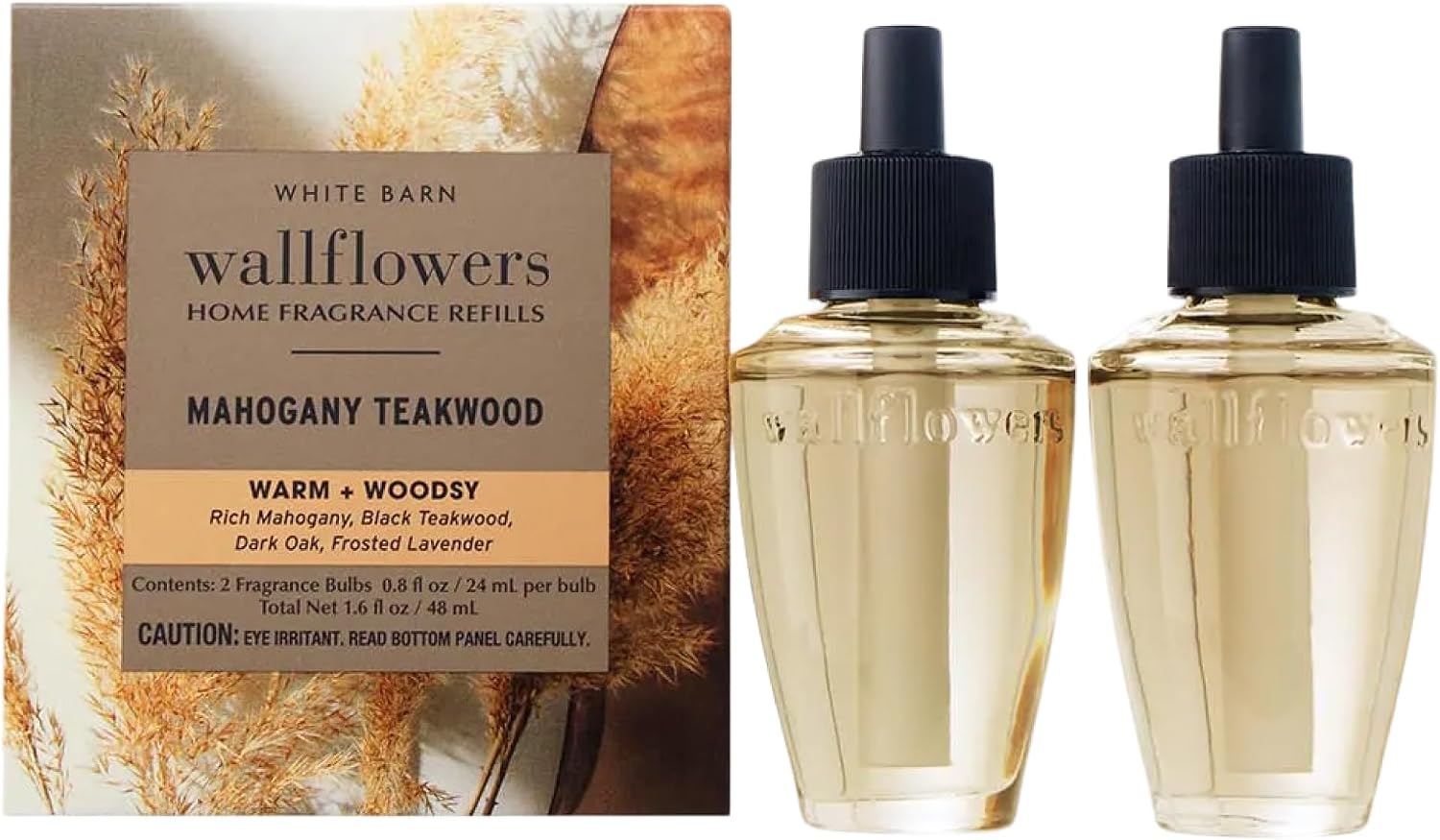
Bath & Body Works Wallflowers Refills, Mahogany Teakwood Scent, 2 Count
Runs itself. No flame, no wick, no soot, and Mahogany Teakwood is the reference scent in the line
Needs a plug base sold separately, and the refill decides when the scent stops
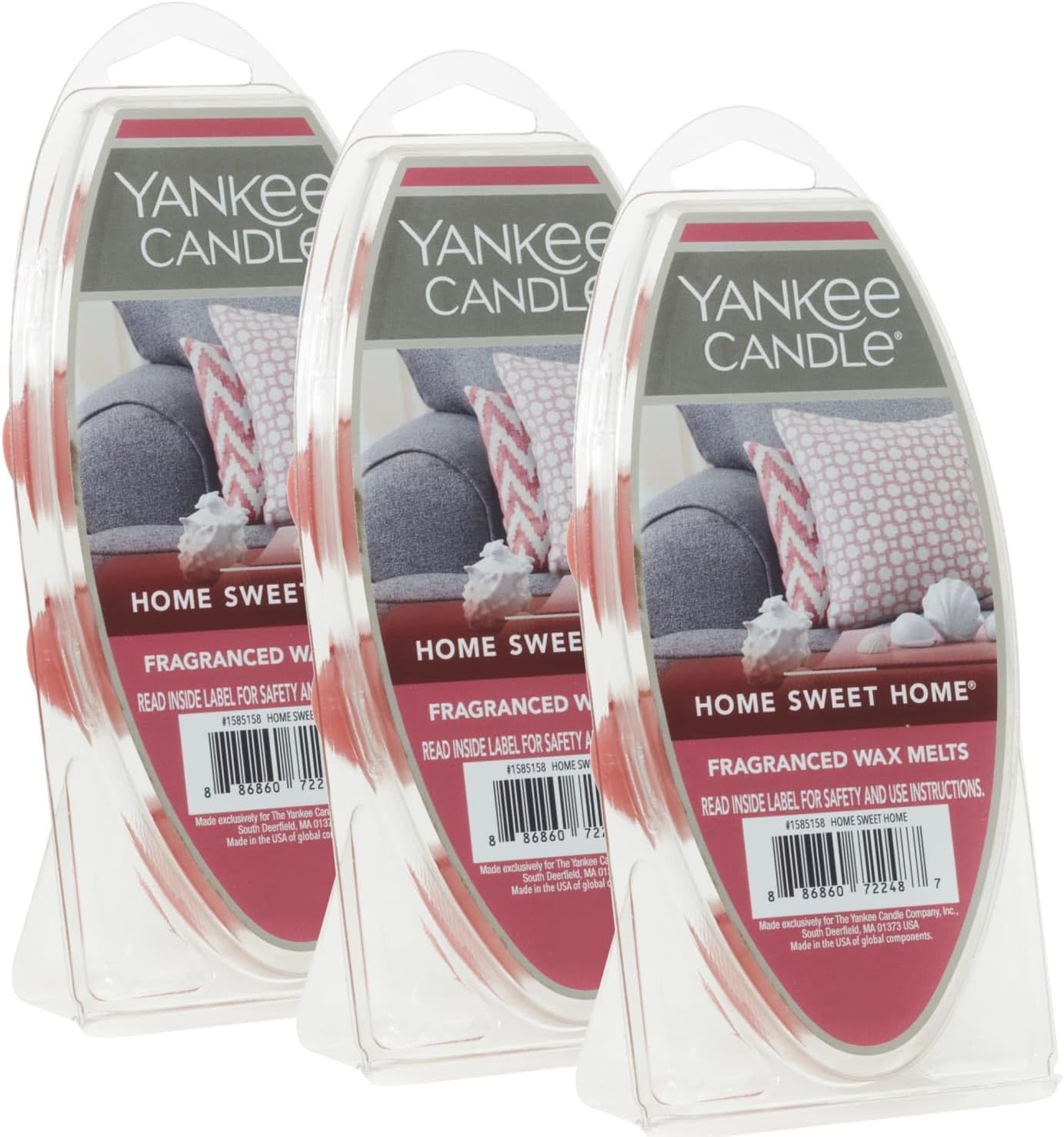
Yankee Candle Scented Wax Melts, Home Sweet Home, 18 Scent Cubes
You control the dose cube by cube, and wax with no wick cannot mushroom, tunnel, or streak soot
Useless without a warmer, and spent wax looks identical to fresh wax
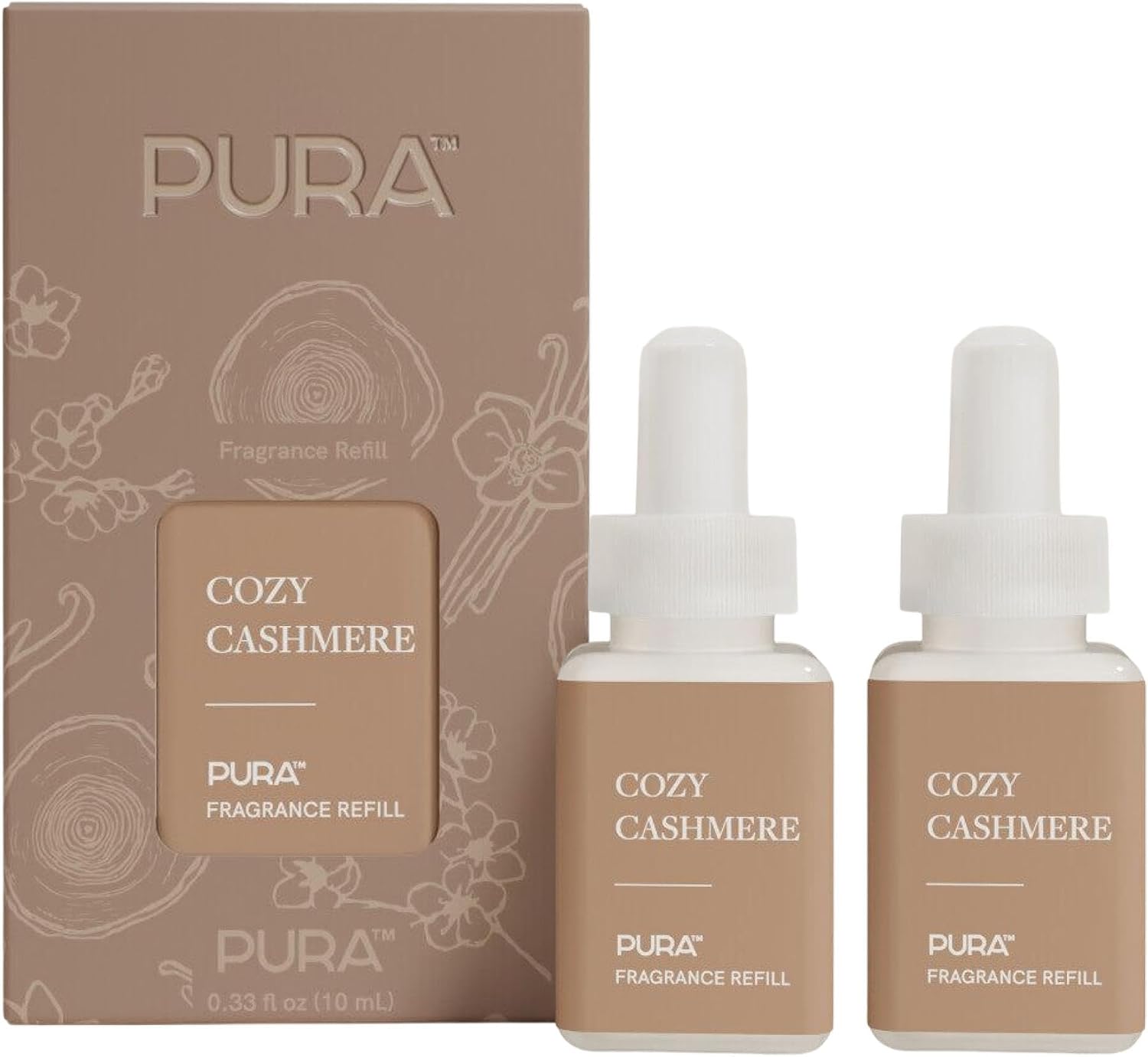
Pura Home Diffuser Refill, 2 Pack, Cozy Cashmere
Scheduled, adjustable output from an app, so scent is on when you want it and off when you do not
Locked to Pura hardware and Pura refills, and the highest upfront spend of the three
Prices and availability were captured from Amazon Creators API and may change.
How I judge a flameless format
Half of my usual checklist does not survive the move to flameless. There is no wick to trim, no mushrooming, no tunneling, and no first-burn rule about the melt pool reaching the edge of the jar. What replaces it is a shorter and less forgiving list: the heat source, the dose, the room, and the fragrance load in the refill.
The first-hour rule holds. A plug-in or a warmer should be detectable from across the room inside the first hour of a session. If you have to lean in and hunt for it, nothing later in the week fixes that. I would rather a scent be too strong on day one and get dialed back than start shy and stay shy.
The other test is hour four. A lot of flameless fragrance smells like the product photo for the first hour and like warm nothing by the fourth. The formats that hold up are the ones where the fragrance oil is dosed out slowly rather than dumped into the air at once, and that is a function of how hot the device runs, not how much you paid for the refill.
The last number is the one nobody prints on the box: how many weeks of scent you get for the money. A refill that runs a month can beat a cheaper one that goes flat in nine days. That calculation, not the purchase price, is what I would put on the shelf tag if the tag were honest.
bath & body works vs yankee candle candles & home fragrance: the three formats
Strip the branding off and this shelf holds three different delivery systems.
A plug-in heats a small reservoir of fragrance oil continuously. It doses low and constant, which suits a hallway, a bathroom, or a powder room you walk past twenty times a day and never sit in.
A wax melt is a burst. You break off a cube, the warmer melts it, and the scent comes at you for an evening at a strength you chose. When it fades, you pour it off and load another cube. You are the thermostat.
A smart diffuser is a schedule. It holds a bottle of oil and an app decides when it runs, for how long, and how strong. It is the only one of the three that can make a whole house smell deliberate rather than accidental.
All three are flameless, which is the reason this comparison exists at all. Nobody with a toddler, a cat, or a smoke detector with opinions is asking which jar throws harder. They are asking which of these formats earns its counter space.
The plug-in: Bath & Body Works Wallflowers, Mahogany Teakwood
Mahogany Teakwood reads on the cold side as dark wood, a barbershop edge, and enough sweetness to keep it out of the lumber aisle. It is the scent this line built its gifting reputation on, and it is the one I would hand to somebody who insists they do not like home fragrance.
The twin pack is refills only. If you do not already own a Wallflowers plug base, budget for one, because a refill on its own has nothing to heat it. That is the first thing to understand about this format: the hardware is the purchase and the refill is the subscription.
The trade-off is control, or the lack of it. A plug-in is on or off, and the setting changes how fast the oil disappears rather than how strong the room smells. Once the refill is open you are on its clock, not yours. The upside is that you never think about it again for weeks, and the output is steady from the first day to the last, which is more than most candles manage.
Where it loses: a plug-in in a big open room is a whisper. It works in tight spaces with a door, which is exactly why it belongs in a bathroom and not in an open-plan kitchen.
The wax melt: Yankee Candle Home Sweet Home cubes
Home Sweet Home is the Yankee spice blend, cinnamon and clove with something baked sitting behind it, and it is why wax melts have a reputation for smelling like a holiday kitchen instead of a perfume counter.
The format is the most forgiving thing on this list. No wick means no mushrooming, no soot streaking down glass, and no tunneling, so the entire catalogue of things that ruin a candle simply does not exist here. You break off a cube or two, drop them in a warmer, and you control the dose in a way no jar allows.
That is also the catch: the warmer is not in the box. A wax melt without a warmer is a scented paperweight. Electric warmers run hotter and throw harder, and the tea light ones are gentler and cheaper to feed.
The second catch is honesty about spent wax. Melted-out cubes look exactly like fresh ones. When the scent drops off, the oil is gone no matter how pretty the puddle is. Pour it out, wipe the dish, start a fresh cube.
Suited to: bedrooms, small offices, and anywhere you want scent for an evening rather than a fortnight.
The diffuser: Pura Home Diffuser Refill, Cozy Cashmere
Cozy Cashmere is the softest of these three, less a smell than a texture, and it is the one that sells to people who want their house to smell clean rather than fragranced.
The Pura system is the only one here with a brain. The diffuser, sold separately, pairs with an app, and you set the schedule, the intensity, and the quiet hours. You can drop the output to almost nothing for a nursery and turn it up for a dinner party without touching the device.
The cost of that control is lock-in. The refill fits Pura hardware, and Pura hardware takes Pura refills. The twin pack is the biggest upfront spend of the three, and the ongoing spend is the least predictable, because a schedule you keep fiddling with drains the bottle faster than one you leave alone.
For a household that wants scent on a schedule and will actually use the app, it is the best of the three. For everyone else it is a subscription with a nice bottle.
What actually separates them
The bath & body works vs yankee candle candles & home fragrance question is a wax argument on the candle side. Over here it is a control argument, and the control runs in a straight line.
Plug-in: least control, lowest maintenance, steady output, fixed refill clock. Wax melt: most control per session, most hands-on, needs hardware, cheapest way to test a scent and walk away from it. Diffuser: most control overall, highest entry cost, locked ecosystem.
Room size decides more than brand. A plug-in in a hundred-square-foot bathroom reads stronger than a diffuser in an open living room, and no amount of oil changes that. Buy for the room, not for the label.
Maintenance matters too, and nobody mentions it in the listing. A warmer dish needs pouring and wiping between scents. A plug-in needs a new refill and nothing else. A diffuser needs a refill, an app, and occasional attention so you are not running an empty bottle for a week.
Safety is the quiet reason people end up on this shelf. All three formats remove the open flame, and that is the real argument for a bedroom, a rental with cheap carpet, or a house with a cat that investigates everything.
And the honest cost measure is weeks of scent, not purchase price. Log it once. Write the date on the refill when you open it, and again when the scent dies. Two weeks later you know what you are actually paying and the marketing copy stops mattering.
Should you buy the refill or the hardware first?
Hardware first, always. Whichever of these three you pick, the refill is worthless without the device that heats it. Buy the plug, the warmer, or the diffuser once, run what came with it, and then decide whether the format has earned a second round.
The bath & body works vs yankee candle candles & home fragrance shortlist is really a hardware shortlist, which is why I would start with the cheapest experiment. That is the wax melt route. A basic electric warmer is the smallest outlay, the cubes let you test a scent for one evening, and if you hate it you are out a couple of cubes instead of a whole bottle.
The most expensive mistake is buying a value pack before you have run a single refill. Scent is personal, and none of these formats let you smell before you commit the way a jar lid does.
One rule I carried over from the shop counter: buy the smallest quantity that answers the question. You can always buy the bulk pack on the second order, and by then you will know whether the room agrees with you.
What I'm testing next
The winter lineup is on the four-hour rotation right now, and the flameless side is getting the same treatment: date opened, room size, and a note at hour one and again at hour four. The warmer lamp is next in the journal on a full melt test, because a lamp that melts a jar slow and cool is doing the same job as a wax warmer with nicer packaging.
If you are storing cubes between sessions, keep them cool, sealed, and out of the light. How to store wax melts so they keep their throw.
And if the smell is the whole purchase, not the ritual, flameless won this round for me a long time ago. I still keep matches on the counter. I just do not reach for them every night anymore.